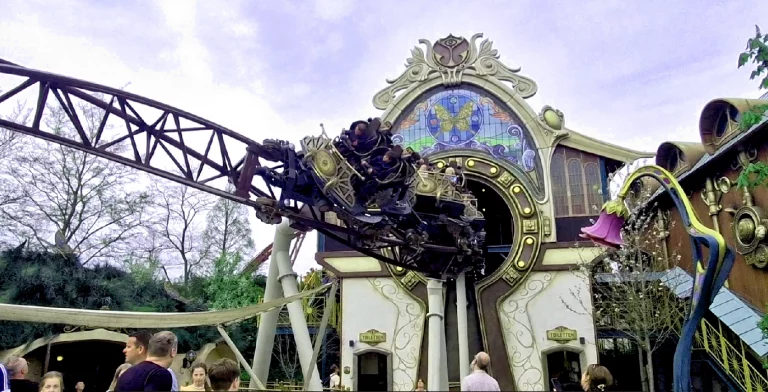
We’ve watched hundreds of YouTube videos of theme park enthusiasts travelling the globe and visiting all these weird and wonderful parks, but they all seem so out of reach. We’ve been to Orlando several times and Disneyland Paris once by Eurostar and we’ve followed the advice on a trip to PortAventura once. But now we’ve seen the likes of Parc Asterix, Europa Park, Energylandia, Liseberg and others and thought we’d love a bite of that cherry. But we’ve never even thought of driving into Europe to visit a theme park. That’s crazy talk.
Well, that was about to change.
Belgium Inbound
We’ve got some big plans (and by we, I mean ‘I’ have some big plans) about the parks we want to visit, but we were a bit nervous about a trip to the continent and driving on the wrong side of the road, so we needed to dip our toes in the water, so to say, with a short trip. And taking Theme Park Worldwide’s advice, a trip to Belgium was an easy trip for a beginner to the European theme park scene. So, we got to planning.
Where Were We Going?
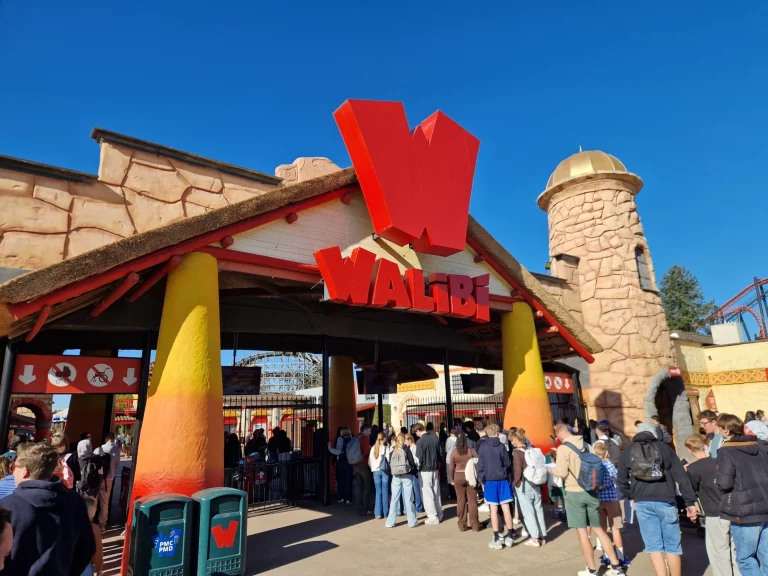
We’d had a look and done some serious route planning. We decided as a taster trip, we’d visit Walibi Belgium and Plopsaland Belgium (Formerly Plopsaland De Panne). Plopsaland is only a 40 min drive along the motorway from Calais, so an easy drive, but looking at the map, Walibi was around 2 hours further on, but pretty much motorway all the way.
Make a Plan…
We live in Wrexham, which is about 5 hours give or take from the Folkestone and Le Shuttle terminal, which is a massive drive. The plan was to make a stop on the way and get a hotel nearby, so we could grab an early train and head into Belgium. Whilst there, to make sure we’d be back in time for a later train home, we decided to visit Walibi first, get a hotel along the way back, then Plopsaland second so we were nearer Calais. It was a first time trip, so didn’t need the stress of not knowing how everything worked.
First Stop
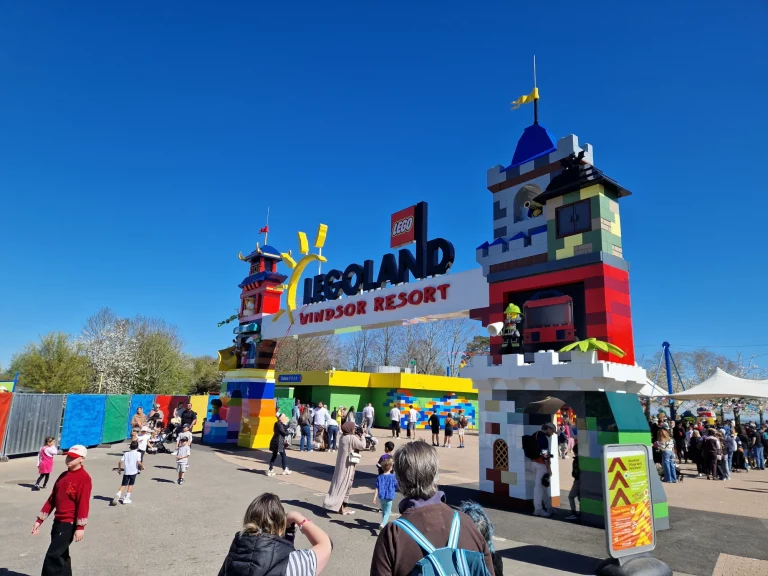
Our first day took us to Legoland Windsor for a very busy day. After Legoland, we had around a 1 hour 30 run down to our hotel for the night: Premier Inn Dover A40. The one in Folkestone itself was was full, but the Dover one had availability and free parking. It was also near a Tesco which had cheaper fuel than service stations, so we could fill up to save stopping for fuel in Europe. The only gripe we had with it was it was the wrong side of the A20, so you had to travel towards junction 11 and loop back on yourself to access the passenger check-in. SatNav from Dover was little help, and would try and take you along private access roads, which you cant actually get to it from. I had to drop a pin on Junction 11A to make sure I was going the right way.
Catching Le Shuttle to France
It was actually pretty simple, aside from the stress of getting there. Our train was at 5.24am, so we had to be there an hour before, which meant getting up at 3am. Once you’re there, follow signs for the passenger lane until you get to the check-in area. Here, your car plate will be scanned and it will find your booking. It’s all done on screen. Just a few checks on fuel type, passengers and pets and it will print a hanger for your mirror with your boarding group on. After this you head to the Terminal building and park up until your boarding group is called.
What’s In The Terminal?
Its like an airport terminal after check-in really. Here you’ll find toilets, a 24hr Starbucks, Burger King, other food outlets, children’s play areas, seating areas, WHSmiths, AA Travel shop and Duty Free. We were there at 4:30 am, so only the Starbucks was open, but you’re not there for long, so its no big deal.
The terminal building and car park all have screens showing boarding numbers and when you’re expected to be called. Once your number is called, head back to your car and follow signs for Passport Control.
Double Passport Control?
Yep. Here you have to go through Passport Control twice. The first stop is UK border control, who’ll just check your passports are in order. The next stop is French border control, who’ll do the same. They do both on one side of the journey, so you can just depart the train and head on your way without having to stop. Clever.
You may or may not be pulled aside for your car to be checked here too.
PLEASE NOTE – after we returned, passport control for Europe has changed and will take longer. Check rules before you go.
Departure Lanes
Once done with passport control, follow the path into the open lanes, where you could be waiting for a few mins for the gates to open and you can board the train. Here, there are toilets and vending machines should you need to nip out last minute. But be quick, the lights may change and you might be on your way quicker than you thought!
All Aboard!
Once the gates are open, follow the trail of cars down the ramp to the train, where you’ll be directed to which deck you’ll be on. Yeah, the train is a double decker, so you might be upstairs! We were on both trips. Once you’ve navigated the door and the ramp, the pathway along is a little snug, but fine once you’re in. Keep heading along the train until you’re told to stop. They fill a carriage at a time and shut the doors. Cars are packed in tightly, so you’re bumper to bumper.
Once onboard, you’re asked to turn off your engine and leave in first gear or park, then open your sunroof and wind windows down half way. Listen to the announcements, then sit back and chill out while the train does its thing!
What’s on the Train?
Nothing really on board. There are toilets every few carriages. Basic, but clean enough. And if you really want to see into the pitch black of the tunnel, there are some small windows. No shops or vending machines! Though they could do with a trolly dolly corning up and down selling coffee and drinks like on the Hogwarts Express!
End of the Journey
It’s an estimated 35 min journey, but it went so fast! I shut my eves for 5 minutes and we were there. Really quick and efficient. Once they’ve opened the door, you’re free to just drive off and head on your merry way. We did have a broken down car in front to deal with, but it was sorted in a few minutes.
Getting To Walibi Belgium
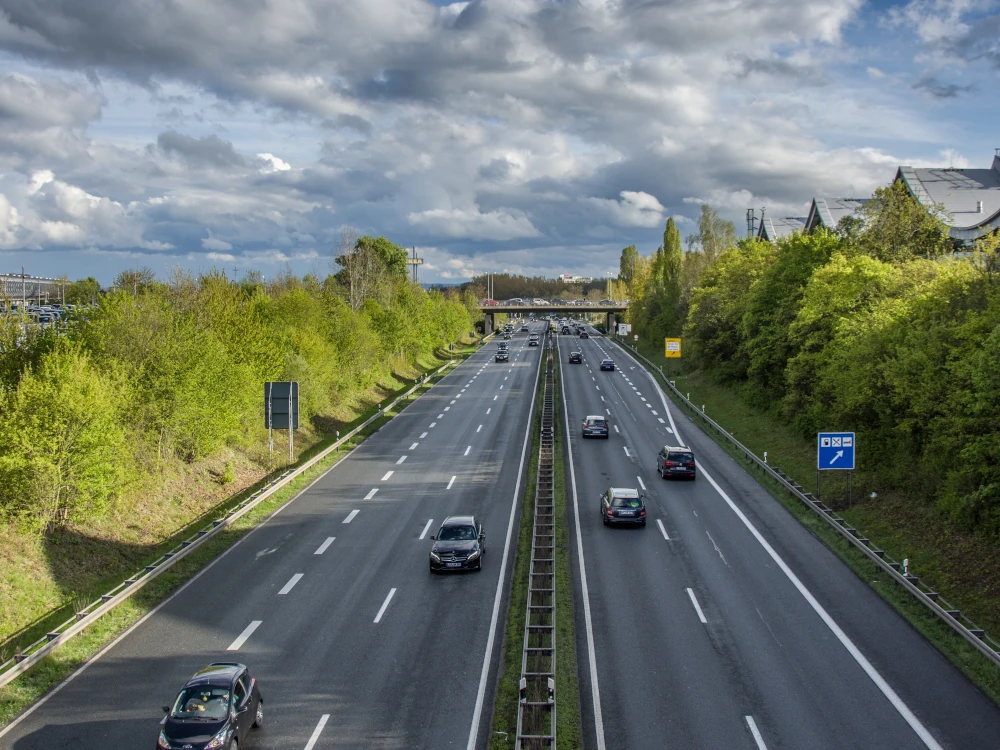
From Calais, it was a straight run out of the Le Shuttle station along the A16 into the E40 down towards Brussels. From here, you jumped on the R0 ring road around Brussels itself. There was a lot of roadworks going on here, but it wasn’t too confusing a drive. Just be sure not to take any roads off the R0 that lead into the city or you’ll get a fine for entering a Low Emission Zone (LEZ). If you want to head in to Brussels, you need to apply online in advance for a certificate, which I believe is free.
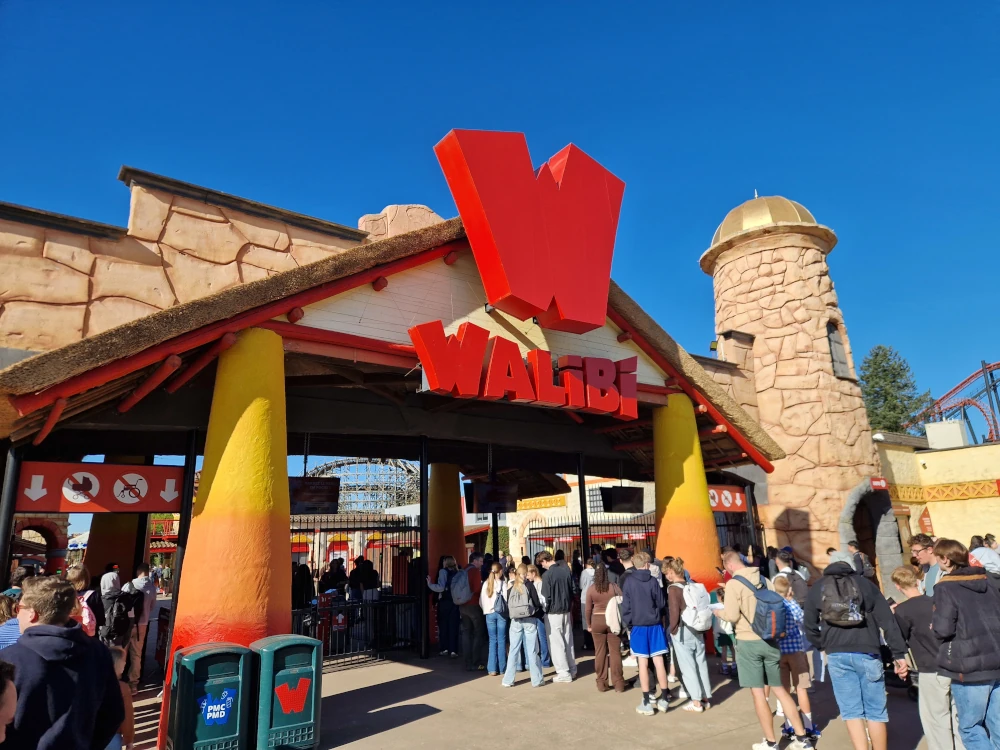
From here, you take the E411 exit towards Wavre and head on in to Walibi. It was only this section of the journey that was a little confusing for me with more roadworks and speed limits changing constantly. The slip-roads were also a little odd as some just veered off to the left which felt alien considering they should be on the right over here. SatNav had it covered though.
The park was easy to get into when you get to the town itself, and the return journey was just the same but in reverse!
Where Did We Stay?
Our original plan was to book the Ibis in Wavre, just around the corner from Walibi. This was the cheaper option, but left me with a big drive in the morning, and to be honest, with all the driving on the previous days, a lie in and a shorter drive was preferable. We scanned along the route for a cheapish hotel and found the Green Park Hotel Brugge, just off the E40 motorway outside of Bruges.
The hotel itself was nice and decent value at £125 (€143). The reception and bar area were clean and nicely presented. We did try for food, but they’d stopped serving, so can’t comment on that. Our room was clean and basic, it was pretty much the same room layout as the Ibis we’d stayed at in Southampton on our Paultons Park trip a few weeks earlier. Only difference was the sofa bed here wasn’t broken and the room was a lot cleaner and better decorated. Outside the hotel was a seating area, a small pool (only open in summer), and some children’s games and activities. The hotel was near the motorway, but was quiet. There were earplugs provided if it did get noisy, but we were shattered and slept through.
Getting to Plopsaland Belgium
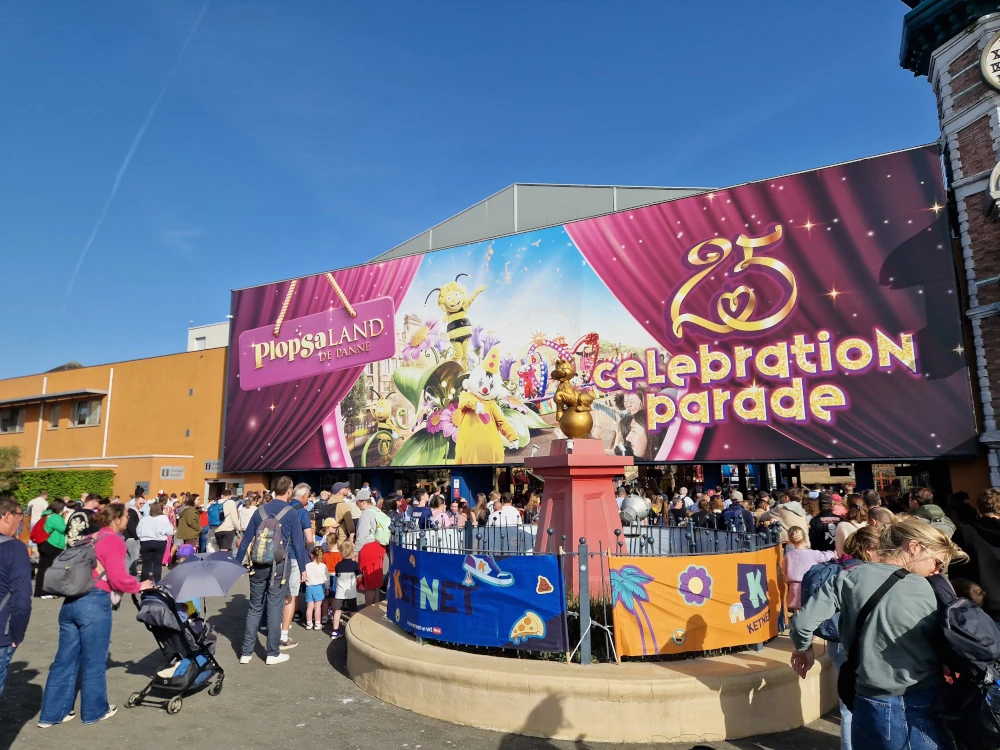
For us, it was a 35 minute trip from the Green Park Hotel, back up the E40. A nice, easy drive. Coming from Calais, it’s around 40 minutes from the station along the motorway. Once off the E40, it’s a few roundabouts into a small town centre to reach the park. There is a small market nearby too if you need to stop for snacks and supplies.
Getting Home
Back on the motorway, heading for Calais. Keep an eye out for signs for Tunnel Sous La Manche (Tunnel Under the Sleeve) and look for Terminal Tourisme (Passenger terminal). Arrival and check in is the same as the UK side, although we did have to type in our booking reference, and the machine broke, so a member of staff came over to sort our window hanger. The Terminal was the same too, but we got to look around Duty Free this time and take advantage of some bargains.
Passport Control was an issue though. We waited until our group was called and headed over to the passport check, where we were stuck in queues of cars, waiting for over an hour at French control, which meant we missed our time. Not to worry, they will just pop you on the next available train, so no stress unless you have to be somewhere at a specific time. Once we’d cleared French and UK control we were held at the departure gate for a while before eventually boarding for a train departing at around 10.30pm.
They did apologise for the delay and also put their foot down on the return trip too. Only took about 20 minutes or so.
Overall Experience of Le Shuttle?
I enjoyed using Le Shuttle and found it much less stressful than airports and flights. The check-in and passport process was straightforward and the journey was easy too. Shame about the return, but it hasn’t put me off using it again (already plotting). Much prefer the ease of getting around using my own car too, so it was a big win for us. The only issue was due to the delay and a ridiculous about of road closures, it took me 6 hours to get home, landing at about 5am. I was very sleepy and tired.
What About Driving In Europe?
Well, I didn’t hate driving on the wrong side of the road. It was a lot easier than you’d think. You feel like you’re going to instantly drive on the wrong side, but you don’t. Out of the station, you’re instantly on the right hand side of the carriageway, so its immediately a lesson. It just took a while to get used to the road signs and speed limit changes. Belgium seemed easier than France.
What Did We Learn?
Few things we did pick up on:
- If your car has a digital display, set it to km/h as soon as you get on the train, its a lifesaver the other end. I rarely use the analogue dial, so it was great having this.
- Familiarise yourself with the speed limits and how they work. France has different limits to Belgium. As soon as you cross over from France to Belgium, the speed limit goes from 130 to 120kmh. Also, we did spot on the French side signs for 90, followed by ones for 70, which confused me on day one. After a quick google, it turns out the 70 signs had 3,5st underneath, meaning they were for large trucks. Some signs also had ‘Rappel’ on them, which we weren’t sure what that meant, but it’s just a reminder of the speed limit and not an extra instruction. Entering a town is a speed limit change whether there’s a sign or not. The town sign IS the speed limit change. SatNav is petty good at picking up on them, but be aware. Exit slip roads also show speed limits to slow down as you enter, and they initially look like they’re telling you to slow on the motorway.
- SatNavs with speed camera detectors are banned in Europe, so just beware if using Google maps that you might get fined for it if caught.
- Service Stations – in France, look for signs that say “Arie de xxxxx”, some of these are service stations, some are just picnic areas with no facilities or toilets. In Belgium, they were more clear as petrol stations along the side of the motorway.
- The drivers are maniacs. Don’t expect cars to behave like they do over here when passing on a motorway. If there’s a gap, they’re in it. No subtle indicating and slowly move over, they just indicate and pull in front quickly and there was a lot of weaving in and out of traffic. We did see a HGV pass another and just whip in front of it in a space that it barely fit into.
- Prioritie a Droite. On streets in towns and cities, France and Belgium enforce Prioritie a Droite, which gives any traffic coming from a right hand side road priority to pull in front of you. Check for a sign that is a red triangle with a black cross in. If you see this, the right hand turn has priority. If you see a yellow diamond, you have priority over the right turn.
It was a learning curve for us, but I’d feel much more confident if/when we head back over. If you’re planning a trip and you read this, then I hope it helps you some!
Planning a drive into Europe? Visit Le Shuttle‘s website for info and booking.